Automation Student Blog
The Automation Student Blog
-
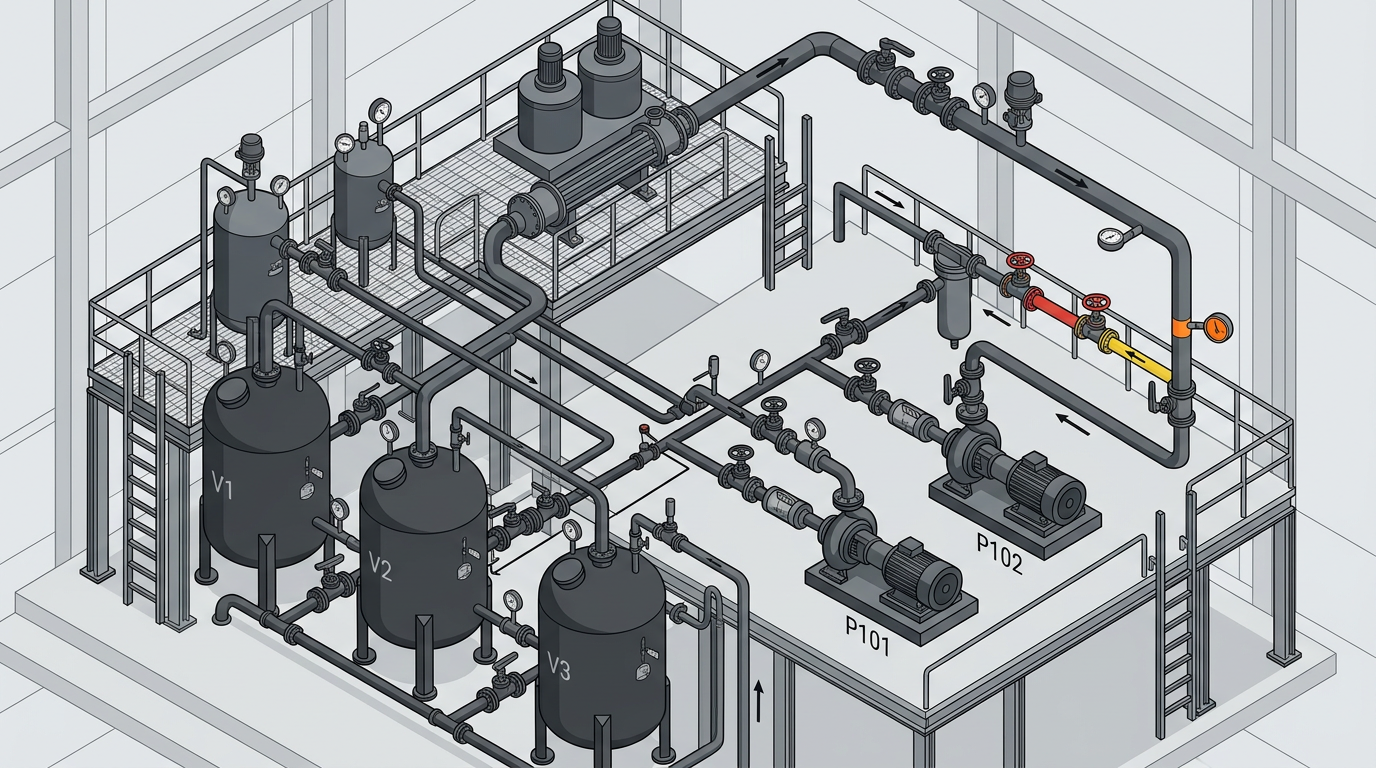
Ditching the Christmas Tree: High-Performance HMI Design (ISA-101)
In our previous explorations across Industrial Ethernet (DLR) and the Cloud Handshake (MQTT Sparkplug B vs. OPC UA), we built the nervous system and data backbone of the factory. We wired determinism into microsecond control loops and streamed field telemetry… Continue reading
-
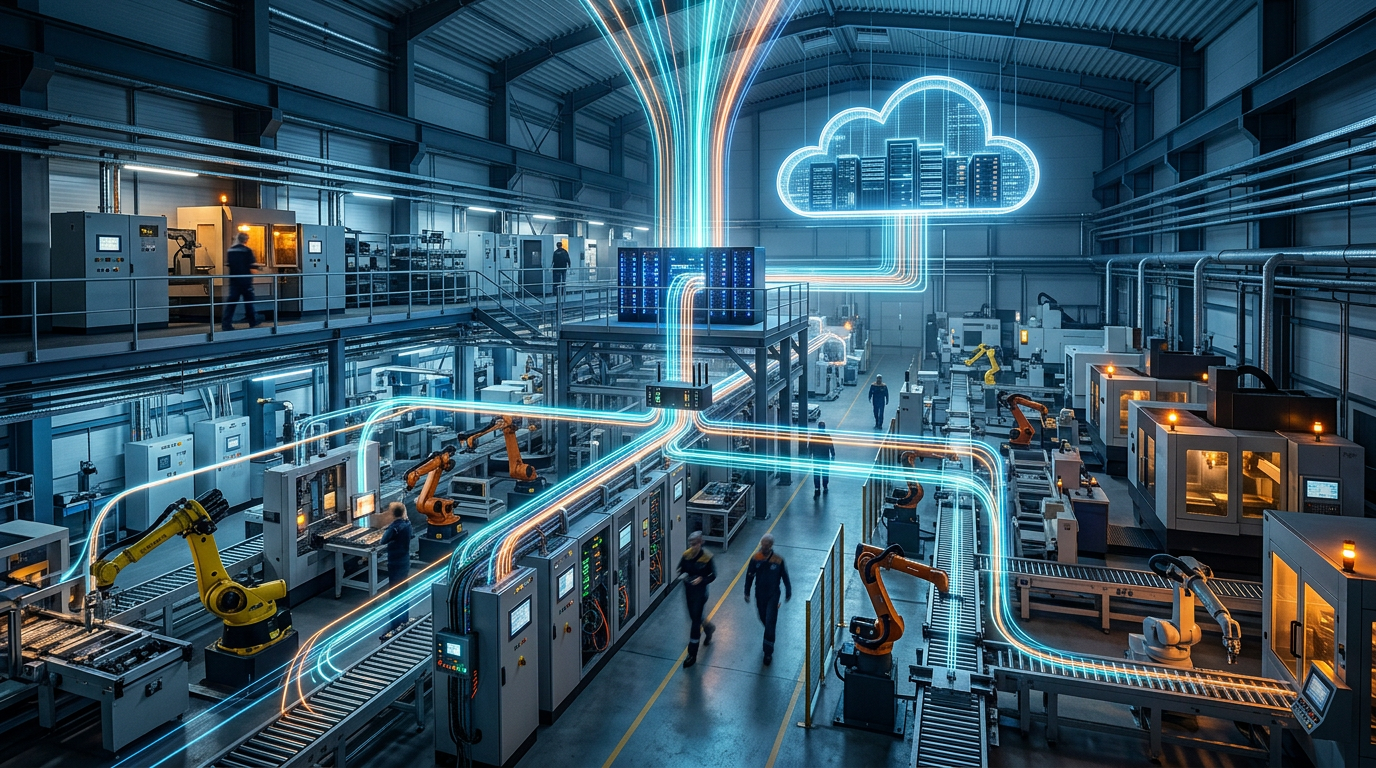
The Cloud Handshake: MQTT Sparkplug B vs. OPC UA
In our previous deep dive into Industrial Ethernet and DLR, we explored how controllers, drives, and robots talk to one another within the microsecond confines of a machine cell. That is the internal nervous system of the plant floor (Purdue… Continue reading
-
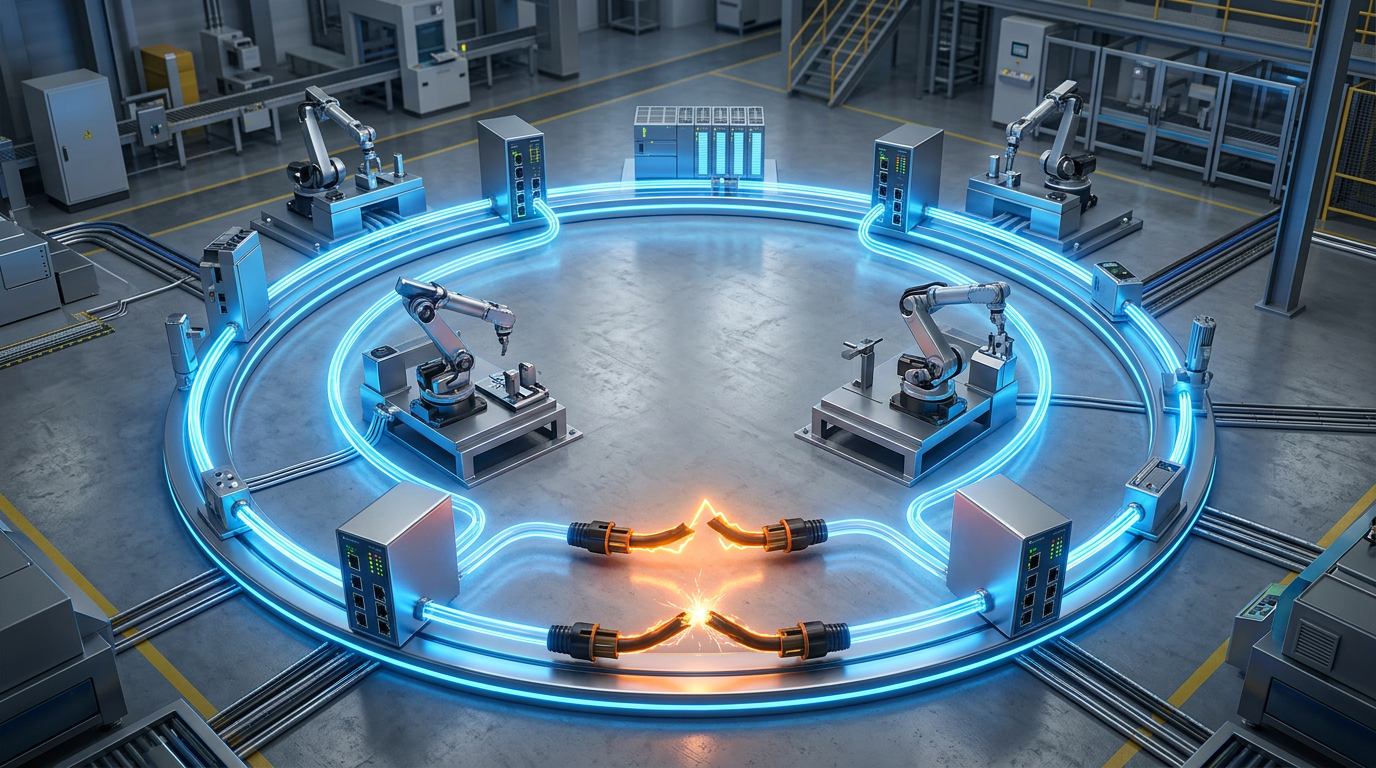
Ethernet on the Factory Floor: DLR, Managed Switches, and Deterministic I/O
In our previous explorations across 24VDC Power, Analog 4-20mA Loops, PID Algorithms, and Variable Frequency Drives, we wired and controlled individual components. But on a modern plant floor, you are rarely wiring a single motor to an isolated controller. You… Continue reading
-
VFD Part 3: The Green Machine – Predictive Intelligence and Sustainability
In Part 1, we explored the Anatomy of the drive. In Part 2, we mastered the Handshake of integration. Now, we reach the final destination of the Digital Chain: Intelligence. In the 2026 Intelligence Economy, a VFD is no longer… Continue reading

-
VFD Part 2: The Handshake – Commanding the Muscle
In Part 1, we explored the internal “Anatomy” of the drive—the rectifiers and inverters that bend the laws of physics. But a VFD sitting in a box is just an expensive heater. To make it useful, we must establish a… Continue reading

-
VFD Part 1: The Anatomy of a Drive
In our journey through the Digital Chain, we have explored how a PLC “thinks” (PID Control) and how it “senses” (Analog Signals). But when it comes time to move a 500-horsepower pump or a high-speed sorting conveyor, the PLC’s tiny… Continue reading

-
PID Part 3: Mastering PID Tuning
In Part 1, we learned the math. In Part 2, we looked at the physics of the loop. Now, we face the ultimate test of an automation engineer: Tuning. Tuning a PID loop is the process of finding the “Gains”… Continue reading

-
PID Part 2: Real-World Applications
Real-World PID: Temperature, Pressure, and Flow | AutomationStudent.org AS AutomationStudent.org Temperature Pressure Flow/Mixing Part 2: Systems in Action Real-World PID: Where Math Meets Physics In Part 1, we learned the math. Today, we bridge the gap. Discover why a “Temperature”… Continue reading

-
PID Part 1: What is PID Control?
In our previous articles, we mastered the Analog Signal—the ability to see the world in high resolution. But once a PLC knows that a data center’s temperature is exactly 22.5 degC, what does it do with that information? If it… Continue reading

-
The Wiring of Intelligence: 2, 3, and 4-Wire Loops
In our previous discussions on Analog Signals, we explored the “why” of 4-20mA. Today, we dive into the “how.” In the Intelligence Economy, your choice of wiring architecture determines the reliability, cost, and diagnostic potential of your field data. When… Continue reading
