What is the Internet of Things (IoT)?
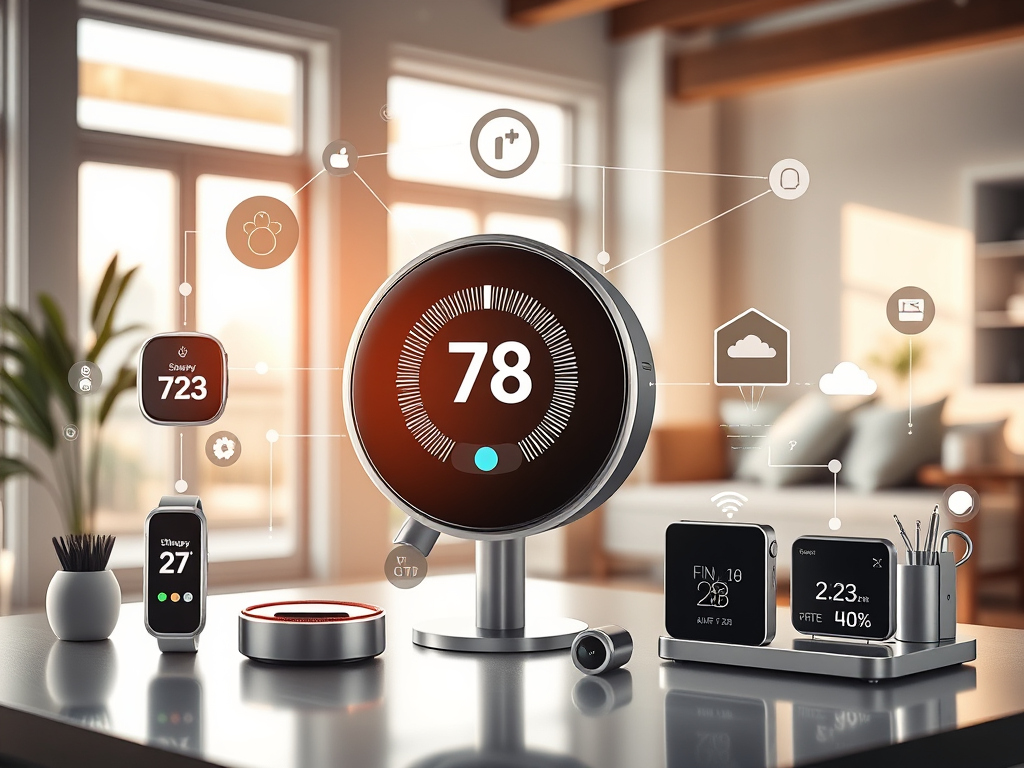
The Internet of Things (IoT) is a rapidly expanding network of interconnected physical objects—”things”—that have sensors, software, and other technologies embedded within them. These devices can collect and exchange data with other devices and systems over the internet or a private network. Think of your fitness tracker, a smart thermostat, or the sensors on a factory’s assembly line. All of these devices are part of the IoT, working together to monitor, automate, and analyze the world around us.
Why is it Important to Learn About IoT?
For anyone in electrical engineering, understanding IoT is no longer optional; it’s a fundamental requirement for a future-proof career. The importance of learning about IoT stems from its transformative impact on nearly every industry. As an electrical engineer, you are the one who designs the hardware, builds the circuits, and manages the power that makes these devices function. Your expertise is the engine that drives the IoT revolution. Learning about IoT allows you to move beyond traditional electrical work and become a key player in creating the smart systems of the future. It’s a field that offers immense opportunities for innovation and career growth, directly tying your skills in electronics and embedded systems to the most exciting new technologies on the market.
IoT in a Four-Year EE Curriculum: A Holistic Approach
A four-year electrical engineering program can integrate IoT by focusing on the underlying principles that make connected systems work. This approach leverages the student’s deep theoretical knowledge to design and optimize complex IoT ecosystems.
- Embedded Systems and Microcontrollers: This is a natural starting point. Students can learn to program microcontrollers like those on Raspberry Pi or Arduino to collect data from various sensors (temperature, light, motion). A project could involve building a smart weather station that sends real-time data to a cloud server.
- Wireless Communications and Networking: IoT is built on connectivity. Students can study the various communication protocols used in IoT (e.g., Wi-Fi, Bluetooth, Zigbee, cellular) and their trade-offs in terms of power consumption and range. They can design and test wireless sensor networks for a smart building or city.
- Signal Processing and Data Analytics: This is where the learning transitions from simple data collection to advanced analysis. Students can use their knowledge of signal processing to clean and filter sensor data. They can then use their programming skills to analyze this “big data” from IoT devices to find patterns and trends.
This foundation in IoT provides a clear pathway to AI. Once a student understands how to collect and analyze a large stream of data from connected devices, the next logical step is to use AI to make sense of it all. They can explore how to use AI to predict equipment failures, optimize energy usage in a smart grid, or classify patterns in sensor data.
IoT in a Two-Year EET Curriculum: A Practical Approach
For a two-year electrical engineering technology program, the focus on hands-on skills makes IoT a perfect fit. The goal is to prepare technicians to install, maintain, and troubleshoot the connected systems that are already in use.
- Practical IoT Projects: The curriculum can incorporate projects that mimic real-world applications. Students could build a voice-controlled home automation system or a smart security system using affordable components. These projects teach them how to wire sensors, configure modules, and integrate simple software.
- Embedded Computing and Firmware: Students can focus on the firmware side of IoT, learning to write basic code that controls the device’s behavior. They can learn to set up devices to connect to a network and send or receive data, which is a core skill for any technician in the IoT field.
- Troubleshooting and Maintenance: The practical side of IoT is troubleshooting. Students can learn to diagnose common issues in connected systems, such as network connectivity problems, sensor malfunctions, and power supply issues. This skill is critical for any field service technician working with smart devices.
This practical experience with IoT naturally leads into AI because the two are increasingly intertwined. Students who learn to install a sensor that monitors temperature will eventually be tasked with troubleshooting a system that uses AI to predict temperature fluctuations. They will need to understand the basic concepts of how the data is being used to make a decision, which opens the door to further learning about predictive maintenance and machine learning.
